
The American Bully: A Complete Guide to the Breed’s Lifespan, Care & Traits
The American Bully is a popular and modern breed in the United States, prized for its strong appearance, loyal nature, and family-friendly temperament. Developed in the 1990s from breeds like the American Pit Bull Terrier, American Staffordshire Terrier, and other bulldog-type dogs, the American Bully is now a distinct and beloved companion dog across the U.S. This guide covers everything American Bully owners and enthusiasts need to know—from lifespan and health to temperament and care.
American Bully: Breed Overview
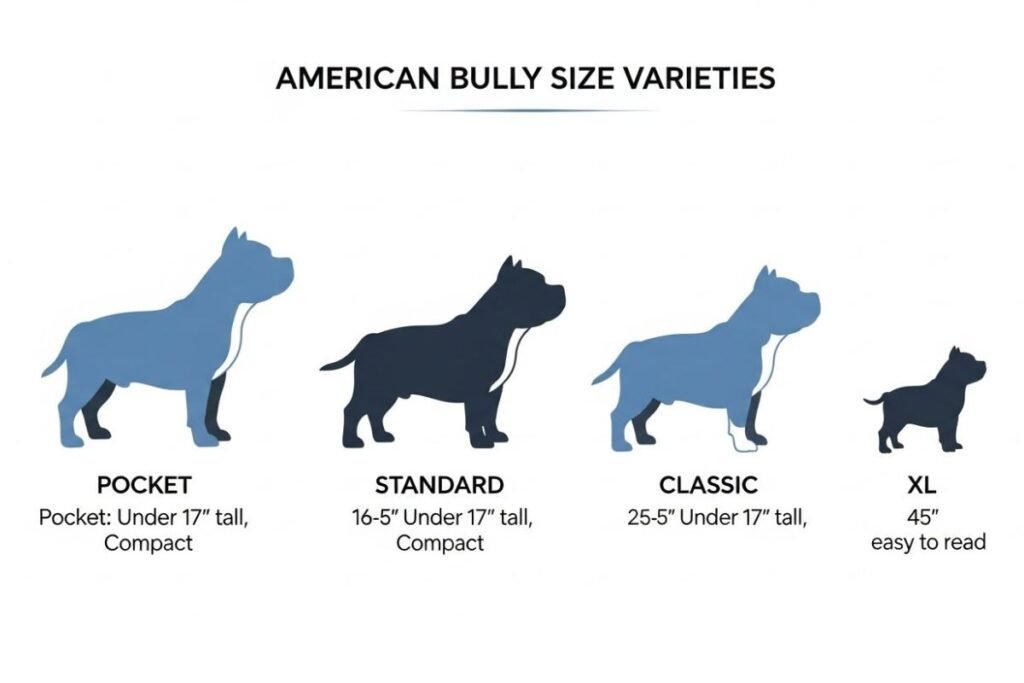
The American Bully is not just a single type but comes in several varieties, including Standard, Classic, Pocket, and XL. Bred for companionship, this breed is known for its confidence, stability, and affectionate behavior toward people. Key Traits Table:
|
Trait |
Description |
| Size | Varieties Pocket (under 17 inches), Standard (17–20 inches), XL (over 20 inches) |
| Weight Range | 30–150 lbs (depending on type) |
| Coat | Short, smooth, low-maintenance |
| Colors | Wide range—solid, brindle, piebald, tri-color, etc. |
| Temperament | Loyal, friendly, gentle with families, good with children |
| Energy Level | Moderate; needs regular exercise but not hyperactive |
American Bully Lifespan & Health Insights
On average, the American Bully enjoys a life expectancy of 10 to 14 years when provided with excellent care. Similar to many dogs of their size, they can be susceptible to particular health conditions. Diligent, selective breeding and proactive wellness practices are fundamental to ensuring they live a full and healthy life.
Common Health Considerations
- Hip & Elbow Dysplasia – Common in larger varieties; maintain healthy weight.
- Skin Allergies – Sensitive skin; use gentle grooming products.
- Cardiac Issues – Some lines may be prone; regular vet checks recommended.
- Obesity – Can shorten lifespan; monitor diet and exercise.
Preventive Tips:
- Feed high-quality dog food formulated for muscular breeds.
- Avoid over-exertion in puppyhood to protect developing joints.
- Schedule annual vet visits, including heart and joint screenings.
Temperament & Suitability for American Families:
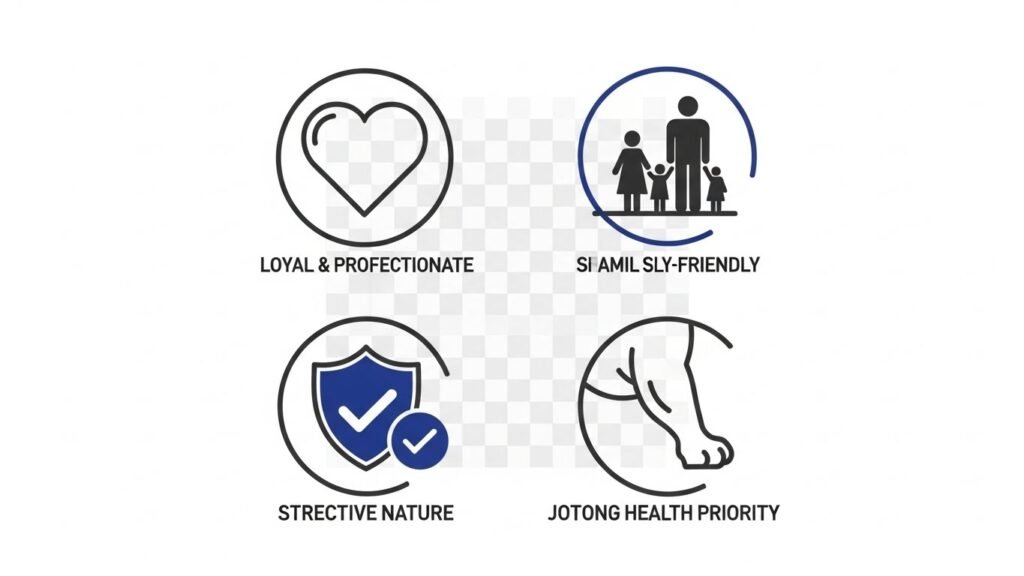
Despite their muscular build, American Bullies are famously affectionate and eager to please. They flourish on companionship and integrate seamlessly into families with kids when given appropriate early socialization. Early training and positive reinforcement are essential to nurture their well-mannered side. By nature, they are devoted guardians rather than indiscriminate aggressors. However, due to their powerful build, early and ongoing exposure to different individuals and canines is critically important.
Care & Maintenance for the American Bully:
|
Care Aspect |
Recommendation |
| Exercise | Daily walks, play sessions, mental stimulation. Avoid extreme heat. |
| Grooming | Weekly brushing, occasional baths, regular nail trims and ear cleaning. |
| Diet: | A nutrition plan high in quality protein, tailored to the dog’s life stage, specific size variety, and daily energy expenditure. Avoid overfeeding. |
| Training | Start early; use consistent, reward-based methods. They respond well to confident owners. |
| Living Space | Adaptable to apartments if exercised daily, but a yard is beneficial. |
FAQs About the American Bully
Q1: Is the American Bully the same as a Pit Bull?
A: No. While they share some ancestry, the American Bully is a distinct breed developed for companionship with a broader, more muscular build and a consistently gentle temperament, unlike the more athletic and driven American Pit Bull Terrier.
Q2: Are American Bullies safe and suitable for families with kids and other animals?
A: Yes, when properly bred, socialized, and trained, they are known for being excellent family dogs that are gentle and patient with children. Proactive and positive early socialization is the cornerstone for fostering positive relationships with other animals.
Q3: What is the ideal amount of daily exercise for an American Bully?
A: The breed typically exhibits a balanced, moderate energy profile. Owners should target a daily routine comprising 45 to 60 minutes of combined engagement. This can include brisk leash walks, interactive play like fetch, and structured obedience training. Crucially, providing mental enrichment through puzzle toys or scent work is equally vital for their overall well-being as physical exertion.
Q4: Does breed-specific legislation (BSL) apply to American Bullies in the United States?
A: Yes. Unfortunately, American Bullies are often included under BSL ordinances in various municipalities across the country. Their physical characteristics can lead them to be classified alongside other restricted “bully” or “pit bull-type” breeds, resulting in ownership restrictions, insurance challenges, or housing limitations.It’s crucial to check your local laws before bringing one home and to advocate for responsible ownership.
Q5: What is the biggest health concern for this breed?
A: Joint issues like hip dysplasia are a primary concern, especially in XL and Standard varieties. Choosing a breeder who performs health screenings (OFA, PennHIP) on their breeding stock is the best preventive measure.
Q6: Is the American Bully a trainable breed?
A: Absolutely. Their combination of intelligence and a strong desire to please their owner makes them highly receptive to learning. Training is most successful when utilizing reward-based methods, such as offering favorite treats and enthusiastic verbal praise. Establishing consistent routines and enrolling in puppy socialization courses from a young age are strongly advised for optimal results.
Q7: What type of home is best for an American Bully?
A: They are adaptable and can thrive in ap
artments if exercised sufficiently.While adaptable, a residence with a private, securely enclosed outdoor space is optimal. This breed forms deep bonds with its family and is prone to experiencing distress or anxiety when isolated for extended periods.

Final Thoughts
The American Bully is more than just a powerful-looking dog—it’s a devoted, people-oriented breed that fits well into many American households. Investing in proper health care, positive training, and a strong emotional connection ensures that an American Bully develops into an unparalleled lifelong friend. Whether you’re drawn to the compact Pocket or the impressive XL variety, committing to the breed’s health and well-being will ensure a happy, long-lived pet.